
MA-ID: 771402090

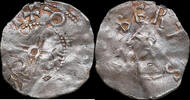
Denar Netherlands / Groningen, Bishop Bernold of Utrecht, 1040–1054 - Mint luster! UNC/UNC

Numex OÜ 
10
Verkoper op MA-Shops sinds 10 jaar
1298 Beoordelingen,
99,8 % Positief (Laatste 24 maanden)
Verzending wereldwijd
230,00 EUR
Dit artikel is zojuist verkocht.
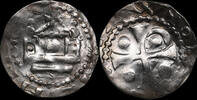
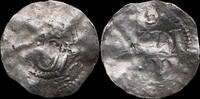
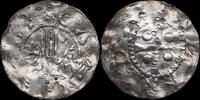
Obv: +S BONIFACIVS
Rev: CRV / OИ•IИ / CE•
Condition note: Mint luster!
Netherlands / Bishopric of Utrecht, Groningen Bishop Bernold (1040–1054) Denar – A Remarkable Numismatic Treasure
Introduction
Offered here is a silver denar struck at Groningen for Bishop Bernold of Utrecht, issued in the years 1040–1054, when the town and its mint belonged to the Church of Utrecht. It is catalogued as Ilisch I, 18.1.5, Dannenberg 558, and weighs 0.71 g. The Groningen denars of Bernold are among the earliest coins struck at Groningen and name the town on the reverse, and an example preserved as well as this one is always in demand.
Description
The obverse shows the facing half-length bust of Saint Boniface, the apostle of the Frisians, holding a crozier, within an inner circle, with pellets in the field and the legend +S BONIFACIVS. The reverse carries the mint name in three lines, CRV / OИ•IИ / CE•, with reversed N, for Gruoninga, the old name of Groningen, within an inner circle and surrounded by an outer legend. Struck by hand on a thin, broad flan, the coin shows sharp, well-struck devices, a clearly legible town name and bright silver surfaces.
Historical Context
In 1040 King Henry III granted the estate of Gruoninga in the county of Drenthe, together with its mint and toll, to the Church of Utrecht, and the bishops soon made use of the new right. Bernold, Bishop of Utrecht from 1027 to 1054, was a loyal supporter of the Salian kings and greatly expanded the possessions and the building programme of his diocese. The image of Saint Boniface, who was martyred at Dokkum in 754 and was venerated as patron of the Utrecht church, links the coins of the new northern mint with those struck by Bernold at Utrecht itself.
Numismatic Details
Denomination: denar (penny). Mint: Groningen. Authority: Bishop Bernold of Utrecht (1040–1054 at Groningen). Reference: Ilisch I, 18.1.5; Dannenberg 558. Weight: 0.71 g. The broad, thin flan is typical of the denars of the Low Countries in this period, which circulated widely in the North Sea and Baltic trade.
Cultural and Political Symbolism
The coin unites the spiritual and the worldly power of the Utrecht bishops on one small piece of silver: the patron saint of the church on the obverse, the name of the newly acquired town on the reverse. It shows how the Salian kings relied on loyal bishops to govern the northern regions of the Empire, and how Groningen first appeared on the stage of history as a mint and trading place.
Conclusion
This Groningen denar of Bishop Bernold is offered in uncirculated condition with full mint luster, a state of preservation seldom encountered for thin eleventh-century denars, which usually show wear, weak strikes or cracks. It is an attractive example of early episcopal coinage in the northern Netherlands, with a fine image of Saint Boniface and a clearly legible town name. It will make a fine addition to any collection of medieval coins of the Netherlands and Germany.







Info / FAQ

|
hier de overeenkomst herroepen Startpagina van de MA-SHOP | 0Winkelwagen | Algemene verkoopvoorwaarden | Contactgegevens | MA Algemene verkoopvoorwaarden | Privacybeleid | Garantie | MA-Shops Nieuwe artikelen Copyright ® 2001-2026, MA-SHOPS Coins All Rights Reserved. Designated trademarks and brands are the property of their respective owners. |